Coronavirus COVID-19 Resource Hub Launched

coronavirus covid-19

We have launched the our Coronavirus COVID-19 Resource Hub page. Over the coming months we will continue to update this page with links to key resources to assist our networks with vital and accurate information surrounding the coronavirus COVID-19.

To find out more visit: https://www.globalhealthyworkplace.org/news-media/coronavirus-covid-19-resource-hub/


Working from Home Sweet Home

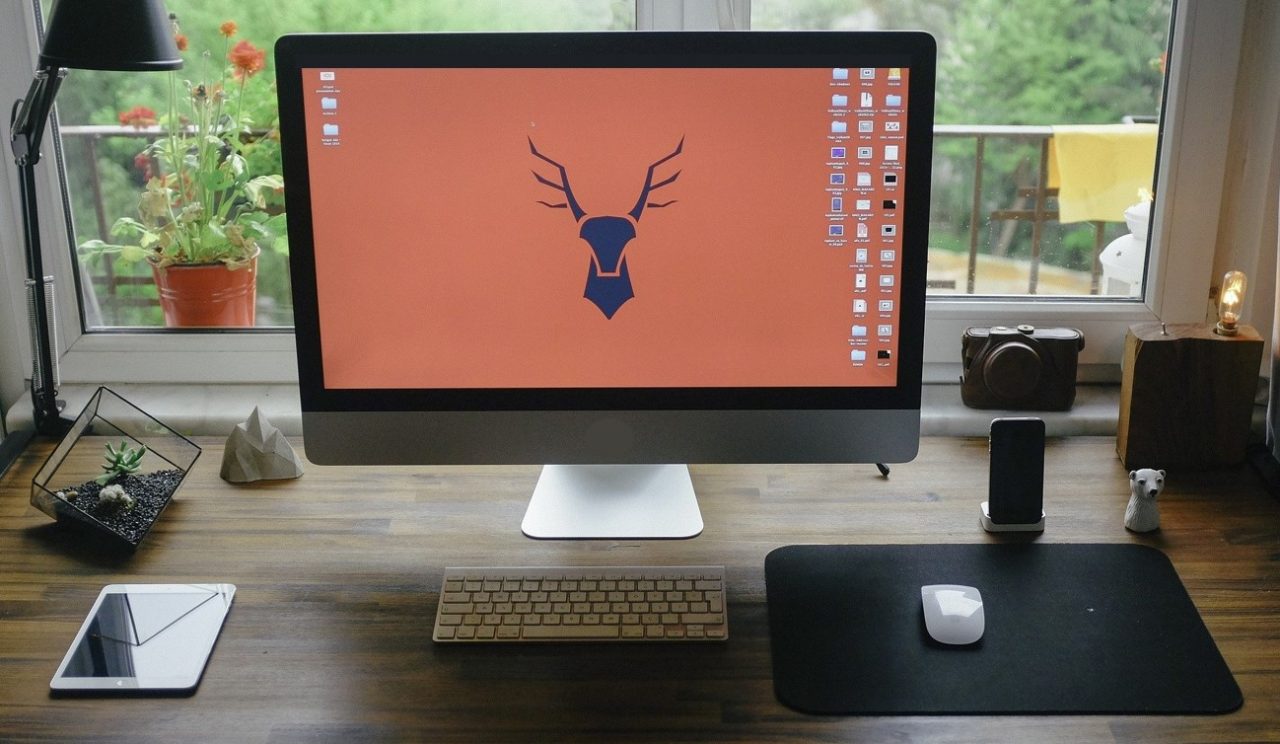
GCHW-working-from-home-COVID19

The need to relocate and work from home has been one of the consequences arising from the coronavirus COVID-19 crises. It has placed what was before a minority pursuit at the mainstream of the working environment. For some employees, it presents an exciting opportunity to skip from the monotony of the office environment, a chance to rise a little later in the morning, work at their own pace, and generally enjoy the rare pleasure of being a professional from the comfort of their own home. For others, it is a terrifying prospect, full of blurred boundaries between where work ends, and home life begins.

Home working raises all sorts of complications for employers concerned with the wellbeing of their employees. The setting is unconventional creating uncertainty for employers and employees alike. Employers who require a high degree of oversight can find it particularly challenging. Such challenges are exaggerated when brought about by the urgent necessity to readjust, as witnessed by the current crises.

This urgency can be very stressful for employees, especially when they have not had time to prepare neither their physical environment nor had the time to adjust psychologically to the new situation. Employers should be sensitive, giving employees time and support to make such adjustments. Disturbingly, we already hear of employers not doing so with employees reporting to being stressed by unwelcome demands from their boss coming for instance outside the normal working hours. Good managers are better showing sensitivity. It is certainly not the right moment for them to assert their authority unnecessarily at what is a challenging time for everyone.

Employers should respect that the home is a very personal domain for the individual. Despite what some would regard as intrusive technology such as keyboard monitoring, even the most totalitarian regimes have generally not sought to penetrate the privacy of the home (George Orwell’s 1984 fiction aside). Employers should not do so either.

Setting such fears (or Big Brother fantasies) aside, here are some pointers to maintaining home based employee wellbeing.

Step one, create a routine in much the same way as you would if you were working in a conventional workplace environment. Get up at a regular hour, work regular hours and finish on time as you would before.

Secondly, try to keep work and home life separate; if possible, work from a designated room or cordoned off space rather than the kitchen table.

Eat regular meals and try to avoid dipping into the fridge to ward off boredom or just because you can. Take regular exercise throughout the day e.g. 5 minutes every hour.

Enjoy music or whatever turns you on but try not to have a movie running in the background. Being focused (mindful) and achieving clearly defined objectives with minimal distractions is all part of being fulfilled at work. That said, the odd sports match is not going to kill you so if you must watch whilst writing that all important report, don’t let the feeling of guilt drive you to an early grave (cricket has yet to be cancelled).

Don’t let your employer abuse you (and employers don’t abuse!). Everyone needs space and a distinction between when in work and when not, applies just as much to home working as in the office. So, unless pre-arranged, there is no need to answer calls, emails, texts, etc from a demanding boss outside your normal assigned working hours. Such intrusions can cause stress and mental fatigue causing some countries such as France to legislate against such behaviour.

Forced exclusion from the office or factory floor can be an isolating experience especially for those who enjoy the casual banter of colleagues. Skype or Google Hangout are wonderful tools for maintaining moment-by-moment dialogue – all strictly professional of course.

If employers and employees collaborate and trust each other, working from home can be the beginning of a wonderful new relationship. It is not for everyone but for many, once tasted (and with some simple rules) can be truly enriching way to work and live. Once started, you might never want it any other way. Enjoy!

Applications Open for 8th Global Healthy Workplace Awards

workplace-health-awards-application-2020

Sharing best practice in the workplace has never been more important!

Application entries are now open for the 8th Global Healthy Workplace Awards 2020. The Global Awards are hosted by the Global Centre for Healthy Workplaces (GCHW) with American University as Global Healthy Workplace Summit hosting partner. Small and Medium-sized Enterprises (SMEs), Large Enterprises, and Multi-national enterprises are once again invited to apply to become recognised as the world’s best employer for occupational safety, health and wellness.

The Global Healthy Workplace Awards are assessed by a panel of experts and enable employers to benchmark their programs to the global standard and, if successful, to celebrate their outstanding achievement in promoting a safe and healthy work environment complementary to the business performance of the organisation. Applications are open to ALL employer organisations (for profit and not-for-profit, local and international).

Application Deadline: 26th June 2020 (Finalists announcement in late July/early August 2020)

For more information and to apply visit: https://www.globalhealthyworkplace.org/awards/application/

Apply here to have your company certified to a global standard – all certified organisations are automatically shortlisted for the Global Awards.


Two finalists per category will be invited to present their program at the forthcoming: 8th Global Healthy Workplace Awards & Summit between 18th – 20th November 2020.

The 2020 summit will be hosted in partnership with American University in the USA capital Washington, D.C. between 18th November – 20th November 2020. The event will bring together leaders in global health and wellness who seek to create a healthier and more productive working experience for all employers and employees.

Important Notice: Due to the Coronavirus COVID-19 pandemic, we are delaying receipt of bookings for the Summit to a date nearer the time. We are monitoring the situation closely and will provide regular updates on the Summit.

Global Summit Key Themes:

  • Business continuity and risk management for global pandemic threats
  • Innovative business strategies for mental health
  • Connecting purpose-driven business and wellness
  • Awards Finalist Presentations

The 8th Global Summit will be preceded by a Capacity Building Seminar on “How to Create a Healthy Workplace” on 18th November 2020.

For more information visit: https://www.globalhealthyworkplace.org/event/8th-global-healthy-workplace-summit-washington-dc-2020/

Being Better Prepared with a Corporate Health Strategy

Office Buildings Business

As companies are struggling to tackle the challenges the COVID-19 coronavirus outbreak brings it becomes evident how important it is to have an existing business strategy when it comes to the health of employees. Companies with comprehensive and sustainable health strategies are better prepared to address any unforeseen disease challenges and will generate better business outcomes.

In times like these it is worthwhile to emphasize what a corporate health strategy should entail and revisit the Five Keys to Healthy Workplaces per World Health Organization:

  1. Compliance with all relevant laws and regulations and the practice of good business ethics.

It is essential to point out for employers to continuously track and comply with applicable health-related codes and laws to ensure existing business practices do no harm and are socially responsible.

  1. Business leadership is committed to and engaged in creating a healthy workplace.

Next to securing leadership support for programs and related budgets it is essential to have senior leaders and middle management actively participate in health-related activities. This includes incorporating health and wellbeing into corporate business planning from the outset, and not reactively when business continuity is imminently threatened.

  1. Employees are actively involved in the development and assessment of the program.

A bottom-up approach is just as important to maximize employee involvement and to empower your staff. This goes beyond employee feedback systems and fosters active collaboration from the beginning.

  1. A continual improvement process is applied to ensure a systematic approach and effective programming.

At the core of a corporate health strategy a continual improvement process is crucial to ensure programs achieve the set goals and advance the strategy in the long term. Unfortunately, many workplace health programs are not rigorously evaluated and employers do not know whether they are effective.

  1. Program areas are integrated and part of the overall strategic business plan.

In order to maximize impact and leverage resources all health-related programs need to be integrated. This especially applies to human resources (HR) initiatives and health & safety programs. The health and wellbeing strategy should be part of the company business plan and communicated as such by leadership.

Coronavirus

GCHW launches partnership with HSPM in Mexico City

gchw-hspm-partnership-2020

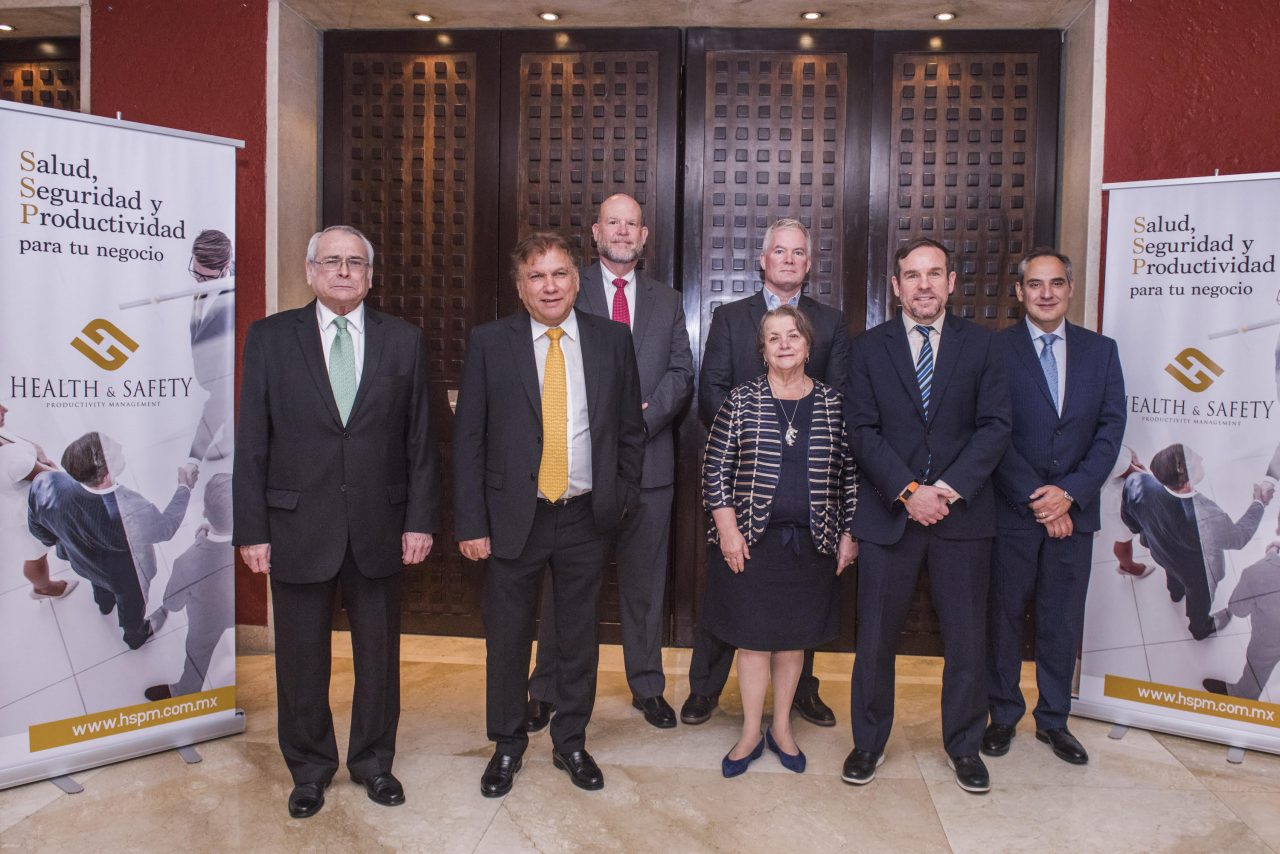
On February 6 HSPM (Health & Safety Productivity Management) hosted a breakfast seminar for approximately 70 corporations in Mexico City to launch its partnership with the Global Centre for Healthy Workplaces.

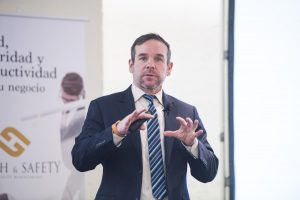
wolf-kirsten-mexicoHSPM will guide employers in Mexico to become globally certified as a “Healthy Workplace” by GCHW. A growing number of Mexican companies are advancing programs to enhance the health of their employees as overall awareness of the benefits of comprehensive healthy workplace strategies has increased. GCHW Co-Director, Wolf Kirsten kicked off the event by outlining ‘how to create a healthy workplace’ and shared the latest global trends on workplace health, safety and wellbeing.

Also featured in the seminar were Wellness Checkpoint, Orienta and HSPM experts who discussed health risk assessments, managing the emotional workplace environment, employee assistance programs and occupational safety.

For more information on how to get certified visit: https://www.globalhealthyworkplace.org/global-healthy-workplace-certification

For more information on HSPM visit: http://www.hspm.com.mx